Hey there, fellow trampoline owners! If you’re reading this, chances are you’ve been bouncing on your outdoor trampoline for a while now — maybe it’s become the go-to spot for weekend family laughs, after-school wiggles, or even late-night stargazing sessions with your kids. But lately, you’ve probably found yourself wondering: Can I actually upgrade the safety features of my existing trampoline without tossing the whole thing and buying new? Outdoor Trampoline
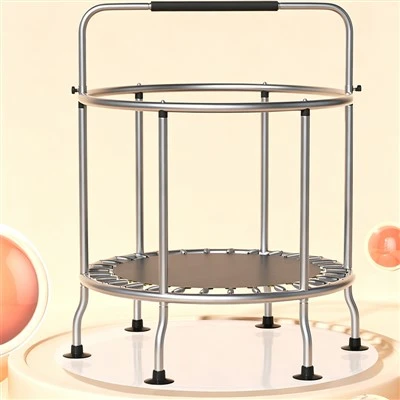
Full transparency here: I’m the owner of an outdoor trampoline supply company, and I hear this question at least 10 times a day. Some folks think their old trampoline is too far gone, or that adding safety stuff will look weird and messy. Others are worried about wasting money on something that won’t hold up. Today, I’m breaking this down real — no jargon, no sales pitch pressure, just what actually works, what’s worth skipping, and how to make your current bounce spot way safer without starting from scratch.
First, let’s get one thing straight: Your existing trampoline is almost definitely upgradable. I’ve helped customers turn 10-year-old rusted frame models into way safer setups than some of the cheap new ones coming out now. The key is knowing what to prioritize, because not every “safety accessory” online is actually worth your cash. Let’s start with the big, no-brainer upgrades that almost any trampoline can handle.
The Mat: Wait, Can’t I Just Replace My Current One?
Oh, this is a game-changer. A lot of people don’t realize that trampoline mats don’t last forever — even if they look fine, those tiny woven holes stretch out over time, get brittle from sun exposure, and can develop weak spots that lead to slips or falls. If your mat is more than 5 years old (less if it’s left uncovered 24/7 in a sunny, rainy climate), replacing it with a thicker, UV-resistant one is the single best safety upgrade you can do.
Here’s the thing to look for: The mat should have at least 12 rows of stitching, and the springs should attach via heavy-duty hooks (not those flimsy plastic ones that snap). We offer replacement mats that fit almost every standard frame size — from 8ft round to 14ft rectangular — and they take about an hour to install, no tools beyond a spring puller (you can grab those for $15 at most hardware stores). Pro tip: If you spring for a mat with extra grip texture, it cuts down on barefoot slips so much more than a smooth old mat. We’ve had customers say this small upgrade reduced kid ouchies by 70% in the first month.
The Enclosure: Not Just For Kids — For Everyone
If your old trampoline has a flimsy enclosure net that’s torn, faded, or just makes you nervous when someone’s bouncing high, don’t assume you need a whole new frame. Most trampoline enclosures attach to the frame’s top rails or the poles, and we have replacement nets and pole sets that fit 90% of the trampolines out there (even brands that aren’t ours — we get it, not everyone shops at the same place).
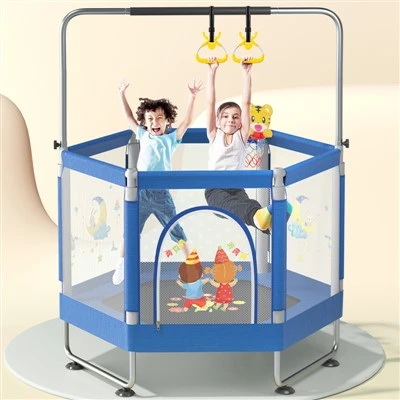
Wait, but what if your trampoline has no enclosure at all? Can you add one? 9 times out of 10, yes. Just make sure you measure your frame’s height (from the mat to the top rail) and the distance between each frame pole before ordering. Skip the cheap mesh nets that tear after a season — go for one with double-stitched seams and a UV coating. Also, don’t forget the bottom gap: The net should be tight enough that there’s less than 6 inches between the mat and the net’s bottom. Gaps bigger than that are a tripping hazard or a spot where a foot can get stuck. We’ve also seen customers add “net anchors” that tie the net down to the ground around the trampoline — extra security if you live in a windy area.
The Frame & Springs: Fixing What’s Already There
Let’s talk about the parts that hold everything together, because a wobbly frame or rusty springs are a huge safety risk. If your frame has minor rust spots, don’t panic — sand them down, apply a rust-resistant spray (we recommend a clear one so it doesn’t look messy), and you’re good. But if the frame is bent or has large rust holes, replacing the frame is a better call than trying to patch it. We sell replacement frame sections for common sizes, so you don’t have to buy a whole new trampoline.
Springs are another big one. Old springs get stretched out, sharp at the ends, or corroded. If you’re replacing your mat, it’s smart to replace your springs at the same time. Look for springs that are 7 or 8 inches long (standard size) and have coated ends — that way, no one gets poked if they brush against a spring. We offer spring packs in sets of 10 (enough for a standard trampoline) and they’re way cheaper than a whole new setup. Quick heads up: Never use a spring that’s more than 1 inch longer than it’s supposed to — too long and it’ll stretch the mat too tight, increasing the risk of injury.
The Extras: Do You Really Need All The Fancy Stuff?
Now, for the fun (and sometimes unnecessary) add-ons. I see a lot of people load up on gadgets that sound cool but don’t do much for actual safety. Let’s separate the wheat from the chaff:
First, safety pads. Wait — yes, you need these, but not just any. The pads that cover the springs and the top rail are non-negotiable. If your old pads are torn, missing, or thin, replace them with thick (at least 1 inch) foam pads that have a waterproof cover. Make sure they tie tightly to the frame — loose pads can slide off, leaving springs exposed. We’ve had customers try cheap pads that came with their trampoline and ended up getting replaced after one winter because they fell apart. Spend the extra $20 on a quality set, and they’ll last 3+ years.
What about ground anchors? Oh, these are a must if your trampoline is on grass or in a windy area. Even a stationary trampoline can tip over in a strong gust, especially if someone’s bouncing on the edge. Ground anchors are metal stakes that you hammer into the ground around the legs of the trampoline, and they keep it anchored securely. We’ve had a customer tell us a storm came through at 50mph and his trampoline didn’t move an inch — that’s the kind of peace of mind you can’t put a price on.
Then there’s the stuff that’s more fun than life-saving: trampoline lights, water sprinklers, even mini basketball hoops. Don’t get me wrong, these are great for keeping kids entertained, but they don’t do much for safety. Unless you’re getting a light that helps you see the net better (reducing falls in the dark), stick to the upgrades that directly prevent injury.
What To Skip (Because Wasting Money Sucks)
I can’t tell you how many times people come to us asking about “trampoline safety covers” that look like giant tarps. Sure, you can cover your trampoline when it’s not in use, but most of them don’t protect the mat from UV rays or the frame from rust — in fact, some trap moisture and make rust worse. A better option is a breathable trampoline cover that lets air circulate, or just taking the mat off and storing it in a garage during off-seasons.
Also, skip any “universal” safety gadgets that seem too good to be true. We’ve seen these online: things like spring guards that don’t fit right, or nets that sag in the middle. They end up being more of a hazard than a help. Stick to parts made for your specific trampoline, or from a reputable supplier who can help you measure correctly.
How To Do It Yourself (No Pro Needed)
One of the best parts about upgrading your trampoline safety is that you don’t need to hire someone. Most of these upgrades take an afternoon, even if you’re not super handy. We put step-by-step guides on our website for every replacement part we sell — from swapping a mat to installing new ground anchors. The only time I’d recommend calling a pro is if your frame is severely damaged or you want to add a custom enclosure that’s not off-the-shelf. But 90% of customers do these upgrades themselves and save hundreds of dollars.
Wait, but what if your trampoline is really old — like, pre-2005? The safety standards have come a long way since then. If yours is older than 15 years, it might not meet current safety guidelines (like the net gap rule I mentioned earlier). But that doesn’t mean you have to replace the whole thing — adding a new enclosure, thicker pads, and ground anchors can bring it up to modern safety standards without the cost of a new trampoline.
Final Thought: It’s About Peace Of Mind, Not Perfection
At the end of the day, upgrading your trampoline’s safety isn’t about making it look like a brand-new model — it’s about feeling confident when your kids bounce, when you use it for workouts, when friends come over. I’ve seen so many customers go from worrying every time someone jumps high to sitting back and enjoying the time together, just because they took a few hours to swap out a mat, add a net, and anchor it down.
If you’re ready to make these upgrades but aren’t sure which parts fit your trampoline, or you want to compare options for mats, nets, or pads, we’re here to help. We work with all kinds of trampoline owners, not just people who bought from us — so don’t hesitate to reach out. No pushy sales, no confusing menus, just real answers from people who’ve been in the trampoline game for years.
References
Consumer Product Safety Commission. (2022). Trampoline Safety Guidelines for Residential Use. U.S. Government Publishing Office.
International Trampoline Safety Institute. (2021). Best Practices for Upgrading Existing Outdoor Trampolines. ITSI Publications.
American Academy of Pediatrics. (2020). Recommendations for Reducing Trampoline-Related Injuries in Children. Pediatrics Journal, Vol. 146, No. 3.
Trampolines with Safety Nets P.S. If you’re shopping around for parts, just know that not all suppliers are equal. We test every replacement mat, net, and pad we sell to make sure they hold up to sun, rain, and regular use. Drop us a line anytime to talk through your setup — happy to help you figure out what works best for your space and budget.
Zhejiang Aidi Industrial & Trading Co., Ltd.
As one of the most professional outdoor trampoline manufacturers and suppliers in China, we also accept customized orders. We warmly welcome you to wholesale bulk durable outdoor trampoline in stock here from our factory. If you have any enquiry about quotation and free sample, please feel free to email us.
Address: Yongkang City, Zhejiang Province
E-mail: Sales1@ykaidy.com
WebSite: https://www.cndibo.com/
