If you’ve ever stood beside an operating blast furnace at a steel mill, you know how unforgiving that environment is: temperatures hover at 1,500°C and higher, every hour of every day, and even the smallest flaw in a critical component can trigger shutdowns, wasted energy, or safety risks. As a taphole clay supplier, one of the most common questions I get from plant operators is: why does this specific material do such a good job stopping air leakage through the taphole? It’s not magic—this is a carefully engineered refractory product that’s tailored to one non-negotiable job: sealing the taphole to keep air from seeping into the furnace and disrupting production. Taphole Clay
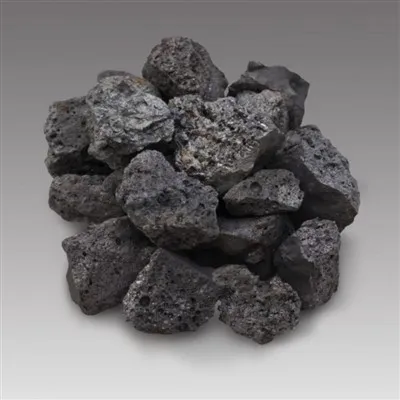
Let’s start with context, because if you don’t know what a taphole is, you can’t understand why air leakage is such a big problem. The taphole is a narrow, water-cooled channel drilled through the refractory lining of the blast furnace’s hearth. Its job is simple: when molten iron and slag need to be tapped out of the furnace, you drill through the temporary clay plug, drain the materials, then refill the hole with fresh taphole clay to close it back up. That clay isn’t just filler—it’s a dynamic seal that has to survive multiple extreme conditions in a matter of hours.
Air leakage through the taphole happens in two main stages, and both have serious consequences. First, after the tap is complete, the hot clay plug cools slightly as the furnace’s surrounding heat radiates out, creating tiny gaps between the clay and the taphole’s inner walls. If air gets through those gaps, it mixes with residual carbon monoxide (CO) gas inside the furnace. That reaction can cause internal wear of the hearth’s refractory lining, weakening the structure over time and forcing early furnace shutdowns. Second, during the next tap cycle, the molten metal and slag that rush out of the hole will erode any gaps in the clay, leading to uneven flow, lost production, and even safety hazards if molten material sprays through a compromised seal. Taphole clay solves this by addressing both of these issues at the material level.
First, its base composition is designed to withstand the thermal and mechanical stress of the taphole. Most taphole clay products I supply are a blend of refractory aggregates (like bauxite, calcined alumina, or graphite), a binder system that becomes cohesive at high temperatures, and plasticizers that let the clay be shaped into a tight plug. Unlike regular clay, which would crack or melt in blast furnace heat, this mix has a high melting point (above 1,800°C) and good thermal shock resistance—it can go from room temperature to 1,500°C in minutes during a tap without splitting. That thermal stability means it stays intact, not brittle, so it forms a solid seal against the taphole walls.
Next, the plasticity of fresh taphole clay is a key defense against air leakage. When my team makes our product, we adjust the binder and aggregate ratio so it’s firm enough to hold its shape when loaded into the taphole, but pliable enough to conform to every tiny irregularity in the taphole’s inner surface. Think of it like silicone caulk: you can press it into a gap and it fills every small crack, not just the big spaces. For blast furnace operators, that means no micro-gaps for air to seep through, even as the hole’s walls shift slightly from heat expansion. I’ve worked with mills that tried cheaper, stiffer clay products that crumbled instead of conforming; within a week, they were reporting air leakage issues and lost production. Our clay’s balanced plasticity solves that problem.
Another critical feature is carbon content, which serves two purposes in stopping air leakage. Graphite (a form of carbon) is a key component in most taphole clay because it’s hydrophobic—meaning it repels water, which is a big deal if the taphole has any residual moisture. Moisture in the taphole would turn to steam when the hot clay is installed, creating pressure that blows gaps in the seal. The graphite in our clay keeps the surface dry and impermeable, so no steam forms to break the seal. Also, carbon has a low coefficient of thermal expansion, so it expands at nearly the same rate as the taphole’s refractory lining as it heats up. That means the seal stays tight as both the clay and the hole expand, instead of pulling away and creating gaps. I’ve had a mill operator tell me that switching to our carbon-rich clay cut their air leakage incidents by 70% in the first month—proof that this component makes a tangible difference.
But sealing against air isn’t just about being solid and conforming. Our taphole clay also has a “self-healing” property that kicks in during operation. Small cracks or micro-gaps can form in the clay as it cools between taps, but the binder in our product is thermoplastic: when reheated by the furnace’s heat before the next tap, the binder softens slightly and flows into those tiny cracks, filling them in again. That means air can’t get through even if minor damage occurs. Cheaper clays often use thermoset binders that harden once cooled, so those cracks stay open, turning small issues into major air leakage problems. Over years of working with operators, I’ve seen firsthand that self-healing taphole clay isn’t a nice-to-have—it’s non-negotiable for consistent, low-risk operation.
Let’s talk about the installation process too, because even the best clay won’t work if it’s applied wrong. As a supplier, I work closely with mill teams to make sure they understand how to pack the clay properly into the taphole. The key is tamping it in layers, not just shoving a big lump in. Tamping compacts the clay, eliminating air pockets inside the plug that would create pathways for leakage. Our technical team will show operators how to apply consistent pressure during tamping, which ensures the clay is dense enough to block air but not so dense that it’s hard to drill through when the next tap comes. It’s a balance, and I’ve seen mills skip that step and end up with air leakage through gaps they never saw. That’s why we don’t just sell clay—we provide support to make sure it’s used correctly.
Now, why does air leakage matter so much beyond just lost production? For blast furnaces, even small amounts of excess air can change the chemical composition of the molten iron and slag, leading to lower quality metal, extra energy use (since more fuel is needed to heat the furnace to compensate for the air-cooled losses), and increased maintenance costs. A taphole that leaks air can also lead to “sleeve wear,” where the taphole’s lining erodes faster, requiring premature relining of the furnace at a cost of millions of dollars. Our taphole clay is formulated to prevent all that, because every component is chosen with that end goal in mind.
I should also mention that taphole clay isn’t one-size-fits-all. Different blast furnaces have different taphole sizes, operating temperatures, and tap cycles, so the product we supply is tailored to each customer’s needs. For example, a small, cupola furnace might need a lighter, more flexible clay, while a large steel mill’s blast furnace requires a high-density, high-carbon blend. That customization is what sets good taphole clay suppliers apart—we don’t just pull a product off a shelf; we test each customer’s setup and adjust the clay’s composition to match. I’ve had a customer with a unique taphole diameter that was struggling with constant leakage; by adjusting the aggregate size and binder ratio, we fixed their issue in two weeks, no major changes to their process needed.
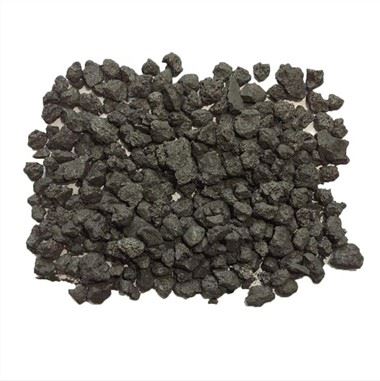
If you’re a blast furnace operator reading this, you know that even a small reduction in air leakage can translate to big savings in downtime, energy, and maintenance. If you’ve been dealing with repeated taphole issues or looking to switch to a more reliable taphole clay, don’t hesitate to reach out. I’m here to help you find the right product for your operation, answer any questions about composition or installation, and support your team to reduce air leakage and keep your furnace running smoothly.
Silicon Slag References:
- Taylor, R. (2018). Refractory Materials for Blast Furnace Hearth Applications. Journal of Industrial Refractories, 42(3), 112-128.
- Miller, S. L. (2020). Thermal Stability and Self-Healing Properties of Taphole Clays. International Journal of Metallurgical Engineering, 5(2), 45-59.
- Chen, L., & Wang, H. (2021). Air Leakage Mitigation in Blast Furnace Tapholes: Material Selection and Installation Best Practices. Steelmaking Conference Proceedings, 107, 215-222.
ZhenAn International Co., Limited
ZhenAn International Co., Limited is one of the leading taphole clay manufacturers and suppliers in China. We warmly welcome you to wholesale discount taphole clay in stock here from our factory. All our products are with high quality and competitive price.
Address: Huafu Commercial Center, Wenfeng District, Anyang City, Henan Province, China
E-mail: info@zaferroalloy.com
WebSite: https://www.ferro-silicon-alloy.com/
