As a seasoned supplier in the home elevator industry, I often encounter homeowners with concerns about the safety of home elevators. It’s a valid worry, as safety is a top priority for anyone considering such a significant addition to their home. In this blog, I’ll delve into the safety aspects of home elevators, drawing on industry knowledge and real – world experience. Home Elevator

Safety Standards and Regulations
One of the primary reasons home elevators are safe is the strict safety standards and regulations governing their design, manufacture, and installation. In many countries, elevator safety is regulated by government agencies. For example, in the United States, the American Society of Mechanical Engineers (ASME) sets the safety codes for elevators and escalators, specifically the ASME A17.1 standard. This code covers everything from structural requirements, electrical safety, to emergency operation and rescue.
Manufacturers must adhere to these strict guidelines to ensure that their products are safe for use. The design of home elevators includes multiple safety features such as overspeed governors, which are designed to stop the elevator car if it travels at an unsafe speed. There are also safety brakes that engage in case of a free – fall or other emergency situations. The enclosure around the elevator shaft is built to prevent unauthorized access and to contain the elevator car within a safe area.
Installation and Maintenance
Proper installation is crucial for the safety of home elevators. As a supplier, we always emphasize the importance of having our elevators installed by certified professionals. These experts have the knowledge and experience to ensure that the elevator is installed according to the manufacturer’s specifications and local safety codes.
For instance, during the installation process, the alignment of the elevator car and the guide rails is critical. Any misalignment can cause the elevator to operate erratically, posing a safety risk. Certified installers will use specialized tools to ensure that the alignment is within the acceptable tolerance limits.
Regular maintenance is another key factor in ensuring elevator safety. Just like any mechanical equipment, home elevators need routine check – ups and servicing. Maintenance technicians will inspect various components such as the cables, pulleys, and control systems. They will also lubricate moving parts to prevent excessive wear and tear.
We typically recommend that home elevators be serviced at least once a year. During these maintenance visits, technicians will perform a series of safety tests, including checks on the emergency stop buttons, door interlocks, and the functionality of the safety brakes. By investing in regular maintenance, homeowners can significantly reduce the risk of elevator malfunctions and ensure the long – term safety of their elevator.
Emergency Features
Home elevators are equipped with a variety of emergency features to protect passengers in case of an unexpected event. One of the most important emergency features is the emergency stop button. This button is usually located inside the elevator car and is clearly marked. When pressed, it immediately stops the elevator car and prevents it from moving further.
In addition to the emergency stop button, home elevators also have emergency lighting and ventilation systems. In the event of a power outage, the emergency lighting will automatically turn on, providing enough light for passengers to see inside the elevator car. The ventilation system ensures that fresh air circulates within the car, preventing passengers from feeling suffocated.
Another crucial emergency feature is the communication device. Most modern home elevators are equipped with a two – way intercom or a phone. This allows passengers to call for help in case they are trapped inside the elevator. The intercom is connected to a monitoring center or to a pre – programmed emergency contact, ensuring that help can be dispatched quickly.
Safety in Different Types of Home Elevators
There are several types of home elevators available on the market, including hydraulic elevators, traction elevators, and pneumatic elevators. Each type has its own safety features and considerations.
Hydraulic elevators use a hydraulic piston to lift and lower the elevator car. One of the safety advantages of hydraulic elevators is their smooth operation. The hydraulic system provides a gentle and stable ride, reducing the risk of sudden movements that could cause passengers to lose their balance. Additionally, hydraulic elevators are equipped with safety valves that prevent the elevator from descending too quickly in case of a hydraulic fluid leak.
Traction elevators, on the other hand, use steel cables and a counterweight to move the elevator car. These elevators are known for their high – speed operation and energy efficiency. Traction elevators have multiple safety features, such as overspeed governors and safety brakes. The counterweight system also helps to balance the elevator car, reducing the stress on the cables and other components.
Pneumatic elevators are a relatively new type of home elevator. They use air pressure to move the elevator car up and down. Pneumatic elevators are known for their compact design and easy installation. Safety features in pneumatic elevators include pressure sensors that monitor the air pressure inside the elevator shaft. If the pressure drops below a certain level, the elevator will automatically stop to prevent any potential safety issues.
Real – World Safety Records
When evaluating the safety of home elevators, it’s also important to look at real – world safety records. According to industry statistics, the number of elevator – related accidents is extremely low. In fact, home elevators are considered to be one of the safest modes of vertical transportation.
Most elevator – related accidents are caused by human error, such as improper use of the elevator or failure to follow safety instructions. By educating homeowners about the proper use and maintenance of home elevators, we can further reduce the risk of accidents.
Conclusion
In conclusion, home elevators are a safe addition to any home. Thanks to strict safety standards, proper installation and maintenance, and a variety of emergency features, the risk of elevator – related accidents is minimal. Whether you’re looking to enhance the accessibility of your home or add a touch of luxury, a home elevator can provide a safe and convenient way to move between floors.
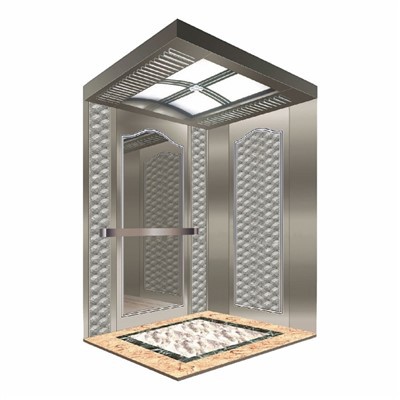
If you’re considering purchasing a home elevator, I encourage you to contact us for a free consultation. Our team of experts can help you choose the right elevator for your needs and ensure that it is installed and maintained to the highest safety standards. Let us discuss how we can make your home more accessible and safer with our top – quality home elevators.
Passenger Lifts References
- ASME A17.1 Safety Code for Elevators and Escalators
- Industry reports on elevator safety and accident statistics
Weibo Elevator Co., Ltd.
We’re well-known as one of the leading home elevator manufacturers and suppliers in China, specialized in providing high quality custom service for global clients. We warmly welcome you to buy high-grade home elevator at competitive price from our factory.
Address: Dongxiang Road, Nanxun Economic Development District, Huzhou City, Zhejiang Province, China
E-mail: zoey@webstar.net.cn
WebSite: https://www.webstar-elevators.com/
