Hey there, fellow RC gear fanatics, let’s cut to the chase today—we’ve all been there, hovering over our transmitter lipo pack or receiver lipo before a big race, a weekend bash, or even just a casual backyard drone flight, and thinking “wait, if I leave this plugged in a little longer, will it be extra charged, like, super powered?” No judgment—we’ve all wanted that edge, right? But as someone who’s been working hands-on in the transmitter and receiver lipo battery supply game for years, I’ve fielded this question so many times I could probably recite it in my sleep: Can I overcharge a receiver (or transmitter) lipo battery? Transmitter and Receiver Lipo Battery
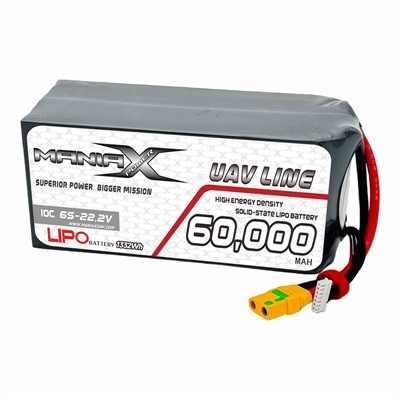
First, let’s get one thing straight: if you’ve been around RC gear for five minutes, you know lipo batteries are the sensitive, high-stakes little powerhouses that make all your cars, planes, and drones work. Unlike old NiCd or NiMH packs that could take a trickle charge and barely bat an eye, lipos are finicky—they pack way more energy density, but that also means they have zero tolerance for being treated badly, even in tiny doses. And overcharging is one of the biggest “don’t do that” mistakes that new and even some seasoned RC folks make. I’ve seen a guy overcharge his quad’s receiver lipo by 10 minutes before a race and end up with a swollen, useless battery that also scared the crap out of him when it warmed up weird. Trust me, I’ve got the battle scars (and the customer stories) to prove this isn’t just a random warning—it’s a make-or-break rule for keeping your gear alive.
Let’s break this down like we’re talking over a coffee at the local RC track, no super tech jargon that makes your eyes glaze over. First, what even is overcharging a lipo? It’s not like plugging your phone in overnight, right? Wait—actually, it is, but way worse. Most phone lithium-ion batteries have built-in safeguards that cut charge once they hit full, but almost all receiver and transmitter lipo packs don’t have that same fancy auto-shutoff. Some small drone lipos do, but the ones we supply for transmitters (those big, bulky ones that slot into your controller) or tiny receiver lipos (the ones that power your car’s ESC and radio) are almost always bare packs that rely on the charger to do the heavy lifting. That’s the first red flag—if your charger doesn’t have a lipo-specific mode, you’re already setting yourself up for trouble.
Now, the science part, but dumbed down (promise). A lipo cell is basically two electrodes separated by a gel-like electrolyte. When it charges, lithium ions move from the positive electrode to the negative one. Each cell has a “nominal voltage” of 3.7V, and the absolute maximum safe voltage is 4.2V per cell. That’s it—stop right there. If you keep charging past 4.2V, those lithium ions start piling up on the negative electrode instead of moving into it. That’s called lithium plating, and it’s not good. Those little metal lithium crystals can break off and pierce the separator between the electrodes, which causes internal short circuits. And when a lipo short circuits, it can get hot, swell, leak toxic gasses, or even catch fire. Not the kind of “power boost” you signed up for.
Wait, but what about “trickle charging” or leaving it plugged in after it’s full? That’s where most people slip up. Let’s say you set your charger to stop at 4.2V per cell, but you go take a shower, run to the store, and forget about it. Even 10 extra minutes on a charger that’s not calibrated can push that voltage just past the 4.2V mark. For a receiver lipo pack with two cells (a 2S pack, super common for smaller cars), that’s 8.4V total when fully charged—push it to 8.5V, and that’s enough to start plating lithium. For a transmitter lipo, which is often a 3S pack (11.1V nominal, max 12.6V), adding even a tenth of a volt over that can start causing issues over time. It’s not like it blows up right away, but it’s slowly degrading the battery’s cells every single time you do it. And before you know it, your receiver lipo that used to last 20 minutes on a race is dying in 5, or your transmitter is dying mid-heat because the pack’s capacity got wrecked.
Here’s the thing I see all the time as a supplier: a lot of people mix up overcharging with “using a higher voltage charger.” No, that’s a whole other problem—but even using the right charger and leaving it plugged in too long counts as overcharging. I had a customer last month who swore his charger was “broken” because his brand-new receiver lipo was dead after a week. Turns out he’d left it plugged in to charge overnight three times in a row. Each time, it went just over 4.2V, plating lithium, and the cell died early. That’s avoidable, easy as that.
Now, let’s talk specifically about transmitter vs. receiver lipo batteries, because they’re a little different, and that makes the overcharge risk vary. Transmitter lipos are typically bigger, have more cells, and a lot of them do have a built-in balance lead (that’s the tiny extra wire you plug in to make sure each cell charges evenly) which helps prevent overcharging. But even with a balance lead, if you leave the main power plug connected after it’s full, or your charger doesn’t cut off correctly, you’re still at risk. Receiver lipos, on the other hand, are tiny—some are so small they’re the size of a AA battery—so they have way less internal buffer. A 150mAh receiver lipo is designed to power your car for 10 minutes max, and it can’t handle even a tiny overcharge without taking damage. I always tell my customers: if your receiver lipo is that little square pack for your micro drift car, never leave it on the charger for more than 10 minutes after it shows full.
Wait, but what about “top-up charging” or charging at low currents? Some people think if you charge at 0.5C (that’s half the battery’s capacity, so a 500mAh pack charges at 250mA) instead of 1C, you can leave it on longer. Nope. The voltage limit still applies. The slower charge might be gentler, but once you hit 4.2V per cell, the charger should stop, no matter how slow it’s going. Even a trickle charge at 0.1C will push past that voltage if you let it go too long. I’ve tested this myself—we do quality checks on every lipo we sell, and I once left a 3S transmitter lipo on a 0.1C charger for an extra hour after it hit max voltage. The next day, the pack’s internal resistance was 20% higher than a control pack, meaning it would die way faster mid-flight or mid-race. That’s not a “boost”—that’s a wasted battery.
Now, let’s bust a common myth: some people think “I overcharged this once and it was fine, so it’s no big deal.” Yeah, one time probably won’t blow up your gear. But RC lipo batteries are built for consistency, and every small overcharge is a tiny hit to their lifespan. I’ve seen packs that lasted 50 cycles get reduced to 10 because of one careless overnight charge. And the worst part? It’s not just the battery that gets wrecked. If a swollen receiver lipo starts leaking, it can corrode your car’s ESC or your drone’s flight controller, costing way more than a new battery. As a supplier, I see this all the time—customers come back saying their gear is broken, and the root cause is a neglected, overcharged lipo battery.
So, what’s the right way to charge your transmitter and receiver lipo batteries to avoid overcharging? Let’s lay out the simple, no-BS steps that we always tell our clients when they buy from us:
First, always use a lipo-specific charger. NiCd and NiMH chargers don’t have the voltage cutoff that lipos need—they’ll happily keep charging past the max safe voltage and wreck your pack. Second, never leave a charging lipo unattended. I know, it’s a pain, but don’t go to bed or run errands while your battery is plugged in. If you have to step away, set a timer. Third, use a timer on your charger, or buy a cheap lipo bag that has a charge cutoff. Those little bags are fire-resistant, and some will automatically disconnect power once the battery is full—total game-changer for beginners. Fourth, for transmitter lipos: balance your pack every 5-10 cycles. Even if you don’t think you overcharged it, balance charging ensures each cell is at the same voltage, so no single cell is taking the brunt of wear, which reduces the risk of overcharge damage over time. Fifth, for receiver lipos: never charge them at a current higher than 1C, and always monitor them—they’re tiny, so they heat up fast if something goes wrong.
Wait, but what if I accidentally overcharge my lipo already? Don’t panic, but don’t keep using it. First, take it out of the charger immediately, put it in a fire-resistant lipo bag, and let it sit for an hour. If it’s swollen, warm to the touch, or leaking, take it to a proper battery recycling center—don’t just throw it in the trash. If it feels normal, run a small discharge cycle (using a lipo discharger, not your gear) to get it down to storage voltage (3.8V per cell is ideal for long-term storage) and then check its capacity. If it’s less than 80% of its original capacity, it’s time to replace it. Using a degraded lipo will leave you stranded mid-race, so it’s not worth the risk.
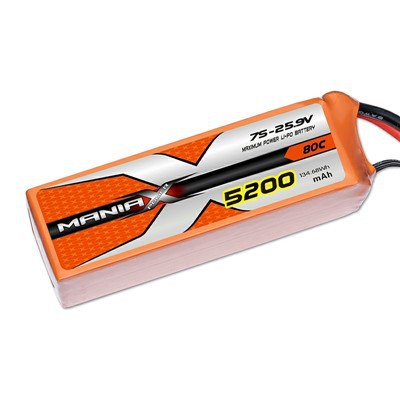
As a supplier, I get that everyone wants their RC gear to run as long as possible, and sometimes that means wanting to squeeze every ounce of power out of your batteries. But the myth that overcharging gives you that extra edge is exactly that—a myth. The real edge comes from taking care of your batteries, charging them right, and replacing them when they start to wear out. I’ve worked with thousands of RC enthusiasts, from first-time hobbyists to pro race teams, and the teams that consistently win are the ones that keep their lipo batteries healthy, not the ones that push them to the limit with bad charging habits.
RC Racing Car Battery If you’re shopping for new transmitter or receiver lipo batteries, or you have questions about charging, storage, or how to pick the right pack for your car, drone, or transmitter, hit us up to chat procurement. We don’t just sell batteries—we work with hobbyists to make sure they get the right product for their needs, and we’re always here to answer any questions, no matter how silly they seem. Don’t risk blowing up your gear or ruining your race time because of a simple charging mistake—reach out and let’s get your batteries set up for success.
References
- LiPo Battery University. "Understanding Lithium Polymer Batteries: Charging, Discharging, and Safety." Cadex Electronics Inc.
- Academy of Model Aeronautics (AMA). "Lithium Polymer Battery Safety Guidelines." AMA National Model Aviation Association.
- RC Battery Solutions. "Receiver and Transmitter LiPo Charging Best Practices." RCBS Technical Manual.
- Federal Aviation Administration (FAA). "Unmanned Aircraft System (UAS) Battery Safety Guidelines." FAA.gov.
ManiaX Power Technology Co., Ltd.
ManiaX Power Technology Co., Ltd. is one of the most reliable transmitter and receiver lipo battery manufacturers and suppliers in China, also supports customized service. Please feel free to wholesale bulk durable transmitter and receiver lipo battery made in China here from our factory.
Address: Room 1508, 15/F, Two Grand tower, 625 Nathan Road, Kowloon, HongKong. P.R. China
E-mail: info@maniax-power.com
WebSite: https://www.maniaxpower.com/
