In my role as a drill rod supplier, I’ve witnessed firsthand the dynamic nature of the drill rod industry. Drill rods are essential tools in various sectors such as mining, construction, and geotechnical engineering. They are the backbone of operations that require drilling into the earth, whether it’s for extracting minerals, building foundations, or conducting geological surveys. However, like any industry, the drill rod sector faces its fair share of challenges. In this blog, I’ll delve into some of the most significant hurdles we encounter and how they impact our business and the broader industry. Drill Rod
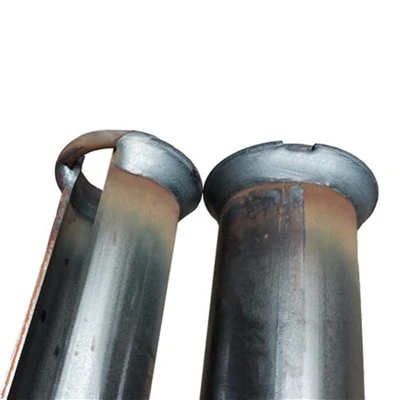
1. Material Quality and Sourcing
One of the primary challenges in the drill rod industry is ensuring the quality of the materials used in manufacturing. Drill rods need to be strong, durable, and resistant to wear and tear. They are subjected to high levels of stress, including torsion, compression, and bending, during the drilling process. Therefore, using sub – standard materials can lead to premature failure of the drill rods, which not only disrupts the drilling operations but also poses safety risks.
Sourcing high – quality materials is often complicated. The global market for steel, the primary material for drill rods, is highly volatile. Fluctuations in steel prices can be caused by a multitude of factors, including changes in global demand, trade policies, and raw material availability. For instance, when there is an increase in infrastructure projects around the world, the demand for steel rises, leading to higher prices. As a supplier, I have to constantly monitor these market trends and secure long – term contracts with reliable steel suppliers to maintain a stable supply of materials at reasonable prices. This requires careful negotiation and strategic planning to ensure that we can offer competitive prices to our customers without compromising on quality.
Moreover, the quality standards for steel used in drill rods vary from region to region. Different countries and industries may have their own specifications regarding the chemical composition, mechanical properties, and manufacturing processes of the steel. Complying with these diverse standards can be a complex and costly process. We need to invest in advanced testing equipment and quality control systems to ensure that our drill rods meet or exceed the requirements of our customers.
2. Technological Advancements
The drill rod industry is not immune to the rapid pace of technological change. New drilling techniques and equipment are constantly being developed, which in turn demand more advanced drill rods. For example, the trend towards directional drilling in the oil and gas industry requires drill rods that can accurately transmit torque and bending forces along a curved path. These specialized drill rods need to have precise dimensions and excellent mechanical properties to ensure efficient and accurate drilling operations.
Staying at the forefront of technological advancements is a significant challenge for drill rod suppliers. We need to invest heavily in research and development to keep up with the latest industry trends. This includes developing new manufacturing processes, such as advanced heat – treatment techniques, to improve the strength and durability of our drill rods. Additionally, we need to explore the use of new materials or composite materials that can offer better performance than traditional steel. However, R & D is a costly and time – consuming process, and there is always the risk that the new technologies or materials may not be commercially viable.
In addition to product development, technological advancements also impact the manufacturing process itself. Automation and digitalization are transforming the way drill rods are made. Automated production lines can improve efficiency, reduce labor costs, and ensure consistent quality. However, implementing these technologies requires significant capital investment and a skilled workforce that can operate and maintain the advanced equipment.
3. Environmental Regulations
Environmental concerns are becoming increasingly important in the drill rod industry. The manufacturing process of drill rods involves various steps, such as steel smelting, machining, and surface treatment, which can generate significant amounts of waste and emissions. As a result, governments around the world are enacting stricter environmental regulations to reduce the environmental impact of industrial activities.
Complying with these regulations is a major challenge for drill rod suppliers. We need to invest in pollution control equipment and waste management systems to minimize the release of pollutants into the environment. For example, we need to install scrubbers and filters to reduce emissions of particulate matter and harmful gases during the steel – making process. We also need to develop recycling programs to reuse waste materials generated during manufacturing, such as metal chips and scrap steel.
Furthermore, the use of drill rods in the field can also have environmental implications. For instance, in mining operations, drill rods may be used to extract minerals from the ground, which can lead to soil erosion, water pollution, and habitat destruction. As a supplier, we need to work closely with our customers to promote sustainable drilling practices. This may include providing technical advice on minimizing environmental impact during drilling operations and developing drill rod products that are more environmentally friendly.
4. Market Competition
The drill rod industry is highly competitive, with numerous suppliers vying for market share. Competitors range from large multinational corporations to small local manufacturers. The intense competition creates pressure on prices, quality, and customer service.
In terms of price competition, some suppliers may cut corners on quality to offer lower prices. This can create a challenging environment for us, as we are committed to providing high – quality products. We need to find ways to differentiate ourselves from our competitors by emphasizing the value and reliability of our drill rods. This may involve offering additional services, such as technical support, product customization, and after – sales service.
Quality is another area where competition is fierce. Customers are increasingly demanding drill rods that can withstand more rigorous drilling conditions and have a longer service life. To meet these expectations, we need to continuously improve our manufacturing processes and quality control systems. We also need to invest in research and development to develop innovative products that offer superior performance compared to our competitors.
Customer service is also a critical factor in the competitive landscape. Customers expect prompt responses to their inquiries, reliable delivery schedules, and efficient problem – solving. As a supplier, we need to build strong relationships with our customers by providing excellent customer service at every stage of the business process.
5. Global Supply Chain Disruptions
The drill rod industry relies heavily on a global supply chain for the sourcing of raw materials, components, and the distribution of finished products. Global supply chain disruptions, such as the COVID – 19 pandemic, natural disasters, and political unrest, can have a significant impact on our operations.
During the COVID – 19 pandemic, many countries implemented lockdown measures, which disrupted the production and transportation of goods. Steel mills were forced to shut down or operate at reduced capacity, leading to shortages of raw materials. Freight transportation was also severely affected, with delays and higher costs for shipping. These disruptions made it difficult for us to maintain a stable supply of drill rods to our customers.
Natural disasters, such as earthquakes, floods, and hurricanes, can damage manufacturing facilities and transportation infrastructure, causing delays in production and delivery. Political unrest, such as trade wars and sanctions, can also disrupt the supply chain by imposing restrictions on the import and export of goods.
To mitigate the impact of global supply chain disruptions, we need to develop contingency plans. This may include diversifying our supplier base, increasing inventory levels, and exploring alternative transportation routes.
Navigating the Future
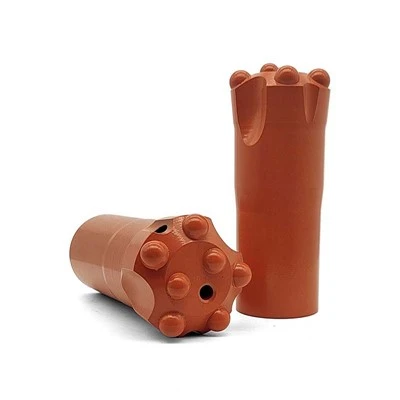
Despite these challenges, I am optimistic about the future of the drill rod industry. The demand for drill rods is expected to remain strong, driven by ongoing infrastructure development, mining activities, and exploration projects. As a drill rod supplier, I am committed to overcoming these challenges by continuously innovating, improving our processes, and providing excellent customer service.
Drill Rod If you are in the market for high – quality drill rods, I invite you to reach out to us. We have a wide range of drill rod products that can meet your specific requirements. Whether you are involved in mining, construction, or geotechnical engineering, our team of experts can provide you with the technical support and advice you need. We look forward to the opportunity to work with you and contribute to the success of your projects.
References
- "Steel Market Trends and Their Impact on Manufacturing Industries" – Industrial Metal Review
- "Technological Innovations in Drill Rod Manufacturing" – Mining and Drilling Journal
- "Environmental Regulations in the Metal Manufacturing Sector" – Environmental Science and Policy Magazine
- "Global Supply Chain Management in the Industrial Equipment Industry" – Supply Chain Quarterly
Super Rock Machinery Equipment (Qingdao) Co., Ltd.
We are one of the most professional drill rod manufacturers and suppliers in China, featured by quality products and good price. Please feel free to buy advanced drill rod for sale here from our factory. Welcome to view our website for more information.
Address: No. 45, Pengwan Road, Qianwan Bonded Port Area, Qingdao Sub-district, Free Trade Pilot Zone, Shandong China
E-mail: sales@superrocktools.com
WebSite: https://www.superrocktools.com/
