As a supplier of police flashlights, I’ve learned firsthand that these tools aren’t just handheld lights—they’re critical pieces of equipment for officers who rely on them for patrolling, search and rescue, crowd control, and evidence documentation. A dirty, poorly maintained flashlight can fail when it’s needed most, which is why cleaning them correctly isn’t just a chore—it’s part of proper gear care. Over the years, I’ve worked with dozens of law enforcement departments to refine cleaning processes that balance thoroughness with the durability required for heavy-duty use. This guide draws on those conversations, hands-on testing with our own product lines, and best practices from law enforcement maintenance teams. Police Flashlights
First, it’s important to know what you’re dealing with when cleaning a police flashlight. These devices endure unique conditions: they get tossed in patrol car door pockets, dragged through mud and rain, exposed to blood, bodily fluids, and even chemical irritants used in crowd control. The two main types of dirt you’ll encounter are surface grime (dirt, dust, grease, road grime) and biological contaminants (bodily fluids, bacteria, mold). Ignoring either can lead to problems: grease can clog the flashlight’s light output window, biological matter can degrade sealants that keep water out, and dirt can scratch the lens or scratch the flashlight’s body over time.
Before you start cleaning, gather the right supplies. Using harsh chemicals can damage your flashlight—many police models are built with aluminum alloy bodies and waterproof seals, but harsh cleaners can corrode metal or break down rubber gaskets. Stick to mild, non-abrasive products: warm distilled water (tap water has minerals that can leave spots), a mild dish soap like Dawn Original (it cuts grease without harsh additives), a soft microfiber cloth (avoid paper towels, which can scratch lenses), a cotton swab for tight spaces (like switch gaps or around the lens), rubbing alcohol (70% isopropyl is ideal for killing bacteria, as long as it’s safe for your flashlight’s materials), a small soft-bristle brush (an old toothbrush works well for crevices, but make sure it’s completely clean), and a lint-free towel for drying. For stubborn grime, you can use a small amount of baking soda mixed with water to make a gentle paste—just avoid getting it inside the flashlight.
Now, step-by-step: start with safety. If your flashlight has batteries, remove them immediately. Not only does this prevent accidental activation while cleaning, but it also keeps moisture from getting into the battery compartment, which can cause corrosion. Most modern police flashlights use lithium-ion or CR123A batteries—double-check the manufacturer’s guidelines for your specific model, but removing batteries is a universal first step. Next, inspect the flashlight for any visible loose parts: if the lens is cracked, or the tail cap is loose, fix that first before cleaning. A cracked lens can let water inside, and a loose tail cap can compromise the waterproof seal, so tightening it or replacing damaged parts ensures your cleaning doesn’t cause more issues.
Cleaning the exterior is next. Wipe down the main body with a microfiber cloth dampened with warm soapy water. For areas with heavy grease (like where your hand grips the flashlight, or areas that rub against gear in your patrol bag), use the soft-bristle brush dipped in soapy water to work the grime out of crevices. Be gentle with the surface—police flashlights have anodized aluminum finishes that can scratch easily. For handles or surfaces with dried mud, let the cloth or brush sit on the area for a minute to loosen the grime before scrubbing. Don’t forget small parts: the clip, the switch, the lens bezel, and the battery compartment threads—all of these can trap dirt and should get a quick clean.
If you’re dealing with biological contaminants (a common occurrence for officers who use flashlights to inspect evidence or assist with medical calls), use a 70% isopropyl alcohol solution. Dampen a microfiber cloth with the alcohol, not so much that it drips, and wipe down all exterior surfaces, paying extra attention to the switch area and battery compartment. The alcohol kills bacteria and viruses, which is critical for both officer safety and the longevity of your flashlight—biological fluids can break down sealants over time, so disinfecting regularly helps prevent that. Avoid getting alcohol inside the flashlight, though; it can damage internal components like switches or LED modules. To clean tight spaces around the switch or bezel, use a dry cotton swab or a very lightly dampened one (just barely moistened with alcohol) to wipe the area, then immediately dry it with a lint-free cloth.
Next, clean the lens. The lens is the most important part of your flashlight—scratching it reduces light output, so take extra care here. Start with a dry microfiber cloth to gently wipe off loose dust or dirt—rubbing dirty cloth on the lens can cause scratches. If there’s a smudge or sticky residue, dampen the cloth with a small amount of warm soapy water, wring it out very well, and wipe the lens in a circular motion. Avoid pressing too hard; the lens is made of either glass or polycarbonate. Glass is more scratch-resistant, but polycarbonate (common in many police flashlights for durability) is softer, so too much pressure or abrasive materials will scratch it. For smudges from grease or fingerprints, a tiny bit of rubbing alcohol on the cloth works, but again, don’t saturate the lens—any liquid can seep under the lens bezel and damage the internal LED. Once you’ve cleaned the lens, buff it dry with a clean, dry microfiber cloth, going with the grain of the lens (if it has a slight texture, which most do) to avoid streaks.
Don’t forget the battery compartment and threads. This is a common overlooked area, but dirt or corrosion here can prevent your flashlight from turning on or cause it to leak batteries. Use a cotton swab dipped in soapy water to clean the inside of the battery compartment, then wipe it dry thoroughly. For the threads on the tail cap or the bezel (the parts that screw together), apply a tiny amount of silicone lubricant (not petroleum-based, which can damage seals) after cleaning to keep them working smoothly. This also helps maintain the waterproof seal—lubricating the threads prevents dirt from getting trapped in them and makes tightening the tail cap easier without over-tightening, which can crack the flashlight body or seal.
Once you’ve finished cleaning, let all parts air dry completely before reinserting batteries and storing the flashlight. Even if you wipe it dry, moisture can get into small crevices, and putting batteries in while there’s still dampness can cause corrosion. How long to let it dry? At least 30 minutes, maybe longer if it’s humid. To speed up drying, you can use a low-power fan, but don’t use compressed air—compressed air can force moisture deeper into the flashlight or scratch the lens.
Now, some important do’s and don’ts I’ve picked up working with law enforcement teams over the years. Do clean your flashlight regularly—after every shift, or after exposure to harsh conditions (rain, mud, biological fluids) at minimum. A quick wipe down after use is way easier than a deep clean later. Don’t use harsh chemicals like bleach, ammonia, or window cleaners. These can corrode the aluminum body, break down rubber seals, and even discolor the flashlight’s finish. Don’t submerge your flashlight in water unless it’s rated for full immersion (most police flashlights are waterproof, but many are only water-resistant, meaning they can handle splashes, not being fully submerged). Even if it is waterproof, submerging it can push water past the seals if the flashlight is dirty, so cleaning it with a damp cloth is safer. Don’t use paper towels, rough rags, or tissues to clean the lens—they have wood pulp that can scratch the surface and leave lint behind. And don’t ignore damage during cleaning: if you notice a loose bezel, cracked lens, or corrosion in the battery compartment, address it right away. A small issue now can turn into a broken flashlight on a call later.
I can’t stress enough how important proper flashlight care is for officers. I’ve heard countless stories from departments that cut corners on cleaning, only to have a flashlight fail during a night patrol or a search for a missing person. At our company, we design police flashlights to stand up to the rigors of law enforcement use, but even the toughest flashlight needs regular cleaning to perform its best. That’s why we also offer a line of maintenance kits specifically for police gear—we include all the gentle, correct supplies we recommend, so officers don’t have to guess what works.
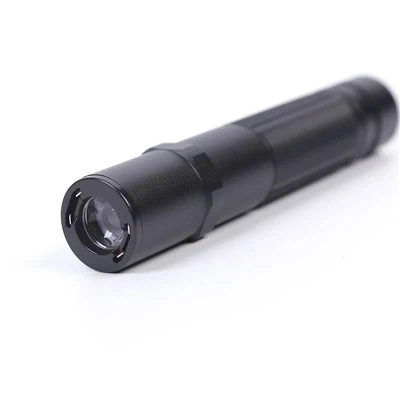
If you’re looking to upgrade your current police flashlights, or if you need a reliable supplier for high-quality, durable models that are easy to maintain, we’d love to chat. Whether you’re a small municipal department or a larger state agency, we tailor our products to meet your department’s needs, including features like waterproof seals, impact resistance, and easy-to-clean bodies. Our team has decades of experience working with law enforcement, so we know exactly what gear works for your day-to-day work. Reach out to our sales team to discuss your requirements, ask questions about our products, or to place a bulk order. We’re here to help make sure your team has the tools they need to stay safe and effective on the job.
Riot Helmet References
- National Tactical Officers Association. (2021). Law Enforcement Equipment Maintenance Guidelines.
- Flashlight Technology Association. (2022). Care and Maintenance of High-Pressure Duty Flashlights.
- International Association of Chiefs of Police. (2020). Gear Care Protocols for Frontline Law Enforcement.
- U.S. Department of Justice, Office of Community Oriented Policing Services. (2019). Maintaining Tactical Equipment for Officer Safety.
- Anodized Aluminum Manufacturers Association. (2021). Proper Cleaning Methods for Anodized Metal Equipment.
Jiangsu Jiuan Police Equipment Manufacturing Co., Ltd.
Address: No. 9, Xihuan South Road, Jingjiang City, Jiangsu Province
E-mail: viola@jiuanpolice.cn
WebSite: https://www.japolice.com/
