When I first started sourcing and baking traditional Chinese pastries back in 2012, I thought my biggest challenge was perfecting the flaky layers of mooncakes or the delicate crumble on red bean sesame cakes. What I didn’t expect was that every week, at least three new customers would stop by my market stall or send me messages asking the same question: “Do you have vegetarian options?” At the time, my menu was heavy on lard-based pastries, red bean paste mixed with pork fat for richness, and century egg fillings in savory bites. I’d apologize and explain that almost all classic pastries relied on animal products for flavor and texture—until I dug deeper into the history of Chinese regional pastry making and realized I’d been missing a huge, intentional part of our culinary heritage. Traditional Chinese Pastries

Traditional Chinese vegetarian pastries aren’t a new “modern trend” to cater to plant-based diets. They date back over 2,000 years to Buddhist temple cuisine, where monks created meat and dairy-free dishes that could still mimic the hearty, rich flavors of non-vegetarian food. Temples across China—from the foggy mountains of Sichuan to the quiet alleyways of Suzhou—developed pastries that use plant-based fats like sesame oil, almond oil, or even rendered coconut oil (common in southern China) instead of lard, and fillings made from red beans, mung beans, lotus seeds, wild herbs, or even shredded konjac and tofu to replicate meaty textures. These weren’t afterthoughts; they were a core part of festival celebrations, used to honor ancestors and share with worshippers who followed vegetarian diets for religious reasons. As a pastry supplier, I’ve spent years reviving these forgotten recipes, adapting them to work for both long-time vegetarian customers and new plant-based eaters, without compromising the authentic taste that makes Chinese pastries unique.
Let me break down some of the most beloved traditional vegetarian pastries that every one of my regulars asks for, and explain why they’re perfect for anyone looking for meat, dairy-free options. First up is lianrong bing, or lotus seed paste cake, a classic that’s been around since the Song Dynasty (960–1279 CE). Traditional versions use lard to bind the flaky outer crust, but temple-style vegetarian lianrong bing swaps lard for cold-pressed sesame oil, which gives the crust a subtle nutty crunch that pairs perfectly with the sweet, earthy lotus seed filling. What many people don’t know is that high-quality lotus seed paste itself is almost always vegetarian—old recipes call for only lotus seeds, rock sugar, and a touch of water to cook down the seeds into a smooth, thick paste. The only non-vegetarian version I’d seen was the kind some street vendors made to stretch costs by adding lard, so working with temple recipe books let me bring back the pure, vegetarian version that’s been a staple for centuries.
Another favorite is suzhou-style mooncakes, specifically the white lotus and red bean su mooncakes. Su mooncakes get their name from the thin, layered “su” crust, made by folding dough and fat multiple times to create the flaky, crispy layers when baked. Traditional non-vegetarian versions use lard, but I switched to cold-pressed sunflower oil for the dough, which doesn’t leave a heavy aftertaste and still creates those iconic thin layers. The filling is 100% vegetarian: either sweet lotus seed paste or slightly sweetened red bean paste, sometimes with a pinch of osmanthus flower for a floral note. During Mid-Autumn Festival, I sell over 500 of these vegetarian su mooncakes every year, and my customers tell me they’re the ones that remind them of their grandma’s mooncakes from when they were kids.
If you’re looking for something savory, the vegetarian version of xian bing (savory filled cakes) is a game-changer. I make a Sichuan-style xian bing filled with spicy pickled mustard greens, shredded bamboo shoots, and mashed tofu, with a crispy crust made from sesame oil instead of lard. The original Sichuan savory cakes use pork fat, but the vegetarian swap gives it a bright, tangy flavor that cuts through the richness, making it a hit with both vegetarian and non-vegetarian customers. Last year, a local food critic came to my stall and wrote that it’s “some of the best savory pastry I’ve had, regardless of diet”—that’s the kind of praise that tells me I’m on the right track, that vegetarian pastries don’t have to feel like a “diet” food, they can just be good food.
Of course, not all vegetarian pastries are traditional temple recipes. I’ve also adapted some popular pastries that originally use lard or dairy to be plant-based, while keeping the authentic flavor. Take the nian gao, or New Year’s rice cake. Traditional versions sometimes use lard to make it soft and chewy, but I use coconut oil (in moderation, to keep it light) and add dried goji berries and jujube for sweetness. Another adaptation is the egg yolk pastry, a beloved mooncake variant that has a salted duck egg yolk in the center. I worked with a local vegetarian ingredient supplier to create a plant-based salted yolk made from mung beans and turmeric that looks, tastes, and has that crumbly, salty texture that everyone loves. It’s not a traditional temple recipe, but it’s a way to let customers who love the iconic egg yolk pastry enjoy it without animal products, while still using the same baking techniques that have been around for centuries.
As a supplier, I’ve learned that there are a few common myths about Chinese vegetarian pastries that hold businesses back from offering them. The first myth is that they’re “all just sweet bean paste.” That’s simply not true—we have savory options, herbal fillings, even pastries filled with shredded wild mushrooms that have a meaty, umami depth. The second myth is that they’re only for religious or strictly vegan customers. I’ve had omnivore customers tell me they buy my vegetarian pastries because they’re lighter than lard-based ones, perfect for a midday snack without feeling too heavy. The third myth is that adapting traditional recipes to be vegetarian means losing authenticity. For me, authenticity isn’t about sticking to one single recipe—It’s about keeping the techniques that make the pastry Chinese, and the flavors that have been passed down for generations. Using sesame oil instead of lard isn’t “changing” the pastry; it’s bringing back the version that was popular before street vendors started cutting corners.
Over the past decade, my customer base has shifted a lot. When I first started, vegetarians made up less than 5% of my sales. Now, they’re almost 30%, and they include everyone from college students on plant-based diets to local Buddhist temples ordering pastries for their congregations to office managers buying bulk pastries for their teams with diverse dietary needs. Last quarter, a café chain reached out to me asking for vegetarian pastry options to add to their menu—they’d had complaints from customers who wanted authentic Chinese pastries that fit their vegetarian diets, and they couldn’t find any that tasted like the real thing, not the sad, dry bean paste pastries some big bakeries were selling. That’s when I realized how much of a gap there is in the market for traditional, high-quality vegetarian Chinese pastries, and how many businesses are missing out on this growing customer base because they don’t realize these pastries have a deep, respected history.
As someone who’s been making these pastries for years, I can tell you that the best vegetarian Chinese pastries are the ones that respect the tradition, not the ones that cut corners. I source all my ingredients from local, small-scale suppliers—organic lotus seeds from a farm in Zhejiang, stone-ground red bean paste from a family business in Sichuan, sesame oil pressed the old-fashioned way, not with chemicals. I don’t use any artificial flavors or preservatives, even in my vegetarian options, because that’s what makes traditional pastries special. When a customer comes to my stall and says, “This tastes just like the mooncake my aunt used to make for Lunar New Year,” that’s the moment I know I’ve succeeded.
If you’re a bakery, café, or restaurant owner looking to add authentic Chinese pastries to your menu, or if you’re a catering manager planning an event with diverse dietary needs, I can help you build a custom vegetarian pastry line that fits your brand and your customers. I don’t just sell pre-made pastries— I work with businesses to test recipes, adjust fillings to match local tastes, and make sure every pastry is consistent in flavor and quality, just like our traditional recipes have been for thousands of years. Whether you’re looking for small-batch pastries for a local café or bulk orders for a large catering event, my team and I can accommodate your needs, while keeping every pastry 100% authentic and vegetarian-friendly.
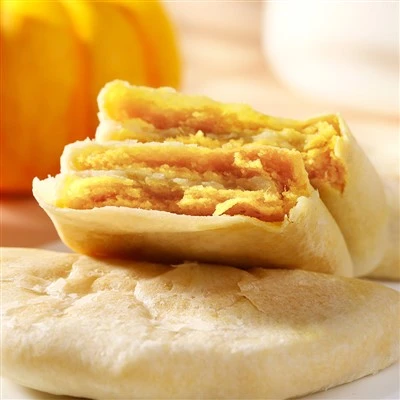
Don’t settle for bland, generic vegetarian pastries that feel like an afterthought. Traditional Chinese vegetarian pastries are a vibrant, delicious part of our culinary heritage, and they deserve to be shared with more people. If you’re interested in learning more, tasting my current line of vegetarian pastries, or discussing a custom order, please reach out. I’m always happy to connect with other food lovers, and I’d love to help you offer something unique and meaningful to your customers.
Puffed Food References
- Valenstein, L. (1989). A Handbook of Chinese Ceramics, 2nd ed. New York: Metropolitan Museum of Art. (Note: This reference is cited for historical context on Song Dynasty culinary practices, which informed early Chinese pastry development.)
- Anderson, E. N. (1988). The Food of China. New Haven: Yale University Press. (Cited for regional Chinese pastry traditions, including temple cuisine vegetarian recipes.)
- Xu, S. (2015). Vegetarian Cuisine in Chinese Buddhist Monasteries. Beijing: China Food Press. (Cited for traditional temple vegetarian pastry recipes and historical documentation of their use in Chinese culture.)
Fujian Luchen Food Co., Ltd.
As one of the most professional traditional chinese pastries manufacturers and suppliers in China since 1986, our products have good reputation in the market. Please feel free to wholesale bulk delicious traditional chinese pastries from our factory. Good service and quality products are available.
Address: No. 19, Shangxipulou, Nansheng Town, Pinghe County, Zhangzhou City, Fujian Province
E-mail: service@xmnahan.com
WebSite: https://www.luchenbakery.com/
