Hey everyone! If you’ve ever worked with tiny, shimmering Toho seed beads—like I have, running this little bead supply shop—you know how magical these beads look on jewelry. They’re precise, durable, and that consistent size makes all your designs pop. But let’s be real: after a few wears (or even sitting in a jewelry box for a while), those tiny beads can get dull, pick up grime, or even get a little dusty that settles between the threads. I get asked all the time: “How do I clean Toho seed bead jewelry without messing it up?” Toho Seed Beads
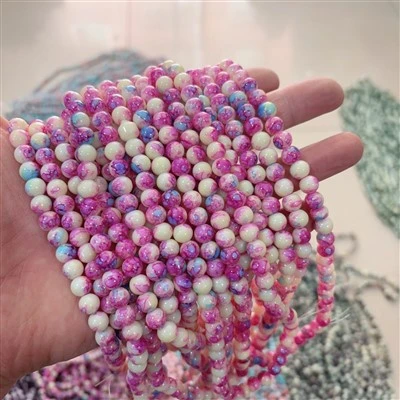
First off, let’s get one thing straight: Toho makes their seed beads using super high-quality materials—those smooth glass cores, the tightly spun nylon thread most pieces use, and sometimes metal finishes (like gold or silver plating). But they’re not indestructible, and if you go about cleaning them wrong, you could end up with faded finishes, tangled threads, or even beads that crack. So as someone who’s been selling Toho beads for over 8 years, I’ve tested my fair share of cleaning methods—some worked, some… well, let’s just say I had to restring a few pieces of my own jewelry.
Let’s start with the basics: when does your Toho jewelry actually need a clean? If it’s just a little dusty, a quick fluff with a soft brush is all you need. If it’s got fingerprints (like from touching a necklace while talking), that’s light grime. If it’s been worn while cooking, working out, or outside in the rain, that’s a deeper clean that’s safe to do—but you still have to be careful.
First rule: never submerge all jewelry pieces unless they’re strung on tough thread. Wait, what? Let me explain. Most casual Toho jewelry (like bracelets, dainty necklaces, or earrings) uses lightweight Nymo thread, which is Toho’s own brand of nylon thread. That thread is strong, but it can break down if it’s soaked in water for too long, especially with soap. If you have a necklace that’s been strung with a more heavy-duty thread (like FireLine), that’s a little more water-resistant—but even then, water can get trapped between beads and cause grime to get stuck more, plus it might loosen knots if they’re not sealed right. So my go-to for light cleaning is a dry method first, which is perfect for everyday, quick refreshes.
Dry cleaning is the easiest and safest, and it’s what I recommend for most pieces that just need a pick-me-up. Here’s how I do it, and I show all my regular customers this trick. First, grab a soft, clean makeup brush (the kind with fluffy bristles, not the tiny detail ones) or a clean paintbrush—like a new one for watercolor, the 1-inch size works great. Make sure it’s totally dry. Then, lay your jewelry out on a soft, lint-free cloth (like an old t-shirt, not a paper towel—those can leave little fuzz bits that stick to tiny beads). Gently brush between every row of beads, along the threads, and even the back of components (like clasps or jump rings). If there’s a spot that’s extra dusty, you can use the tip of the brush to nudge that grime loose—don’t press hard, because tiny beads can move or even pop off if you’re rough. For really delicate pieces, like earrings with super small seed beads, you can even use a can of compressed air (the kind you use for keyboards) on the lowest setting. Hold the can a good 6 inches away from the jewelry, and give a quick burst—this blows out any dust without touching the beads at all. I’ve used this on my own beaded hoop earrings a million times, and it never damages the finish.
Now, if your jewelry has grime that won’t come off with dry brushing—like if you wore it to a BBQ and got sauce splatters, or it’s been stored in a box for a year and has that stale, sticky dust—then a wet clean is okay, but only if you do it right. Here’s where I see most people mess up: they use hot water, or harsh soap, or scrub like crazy. Let me break this down step by step, so you don’t ruin your favorite piece.
First, prep your space. Don’t clean your jewelry over a sink full of water—because if a bead slips off (which happens more than you think), it’s gone forever. Instead, lay a clean, lint-free towel on a table, and put a small bowl of lukewarm water on top of it. Lukewarm is key—hot water can crack the glass of Toho beads, especially the ones with special finishes (like matte, iridescent, or metallic plating). Toho’s glass is sturdy, but rapid temperature changes are bad. Then, add a tiny bit of mild soap—like fragrance-free dish soap, or even hand soap that’s not antibacterial or has exfoliants. You only need a drop—too much soap will leave a film on the beads that’s even harder to get off.
Next, how to actually clean it. Don’t submerge the whole piece unless it’s made to be totally water-resistant (like a wide bracelet strung with FireLine). For most pieces, you want to dampen a soft cloth (microfiber is best, or even that same old t-shirt) with the soapy water—wring it out super well, so it’s barely damp. Then, gently wipe each bead, one by one, paying extra attention to areas that touch your skin (like the clasp, or beads that sit right on your wrist—those get the most oil and sweat). Don’t twist or scrub the thread—just glide the cloth along. If you have a tiny crevice between beads that has grime, you can use a cotton swab (Q-tip) that’s also barely damp to get in there. Just make sure the cotton swab is new, no leftover lotion or makeup on it.
Once you’re done cleaning, you need to dry it right away—this is the most important step for wet cleaning, because water can get stuck between beads and cause mold, or make the thread stretch or weaken. Take a clean, dry microfiber cloth, and gently pat the jewelry dry. Don’t rub, because that can scratch the bead finishes. If it’s a necklace or bracelet, you can lay it flat on the towel to air-dry for 10-15 minutes, but make sure it’s not in direct sunlight—sunlight can fade those special Toho bead finishes, like the iridescent or metal-plated ones. I learned that the hard way once—left a beaded pair of earrings on the windowsill to dry, and they went from a shiny gold to a dull yellow in a day. Oops.
Now, what about specific types of Toho jewelry? Because not all pieces are the same. Let’s talk about jewelry with metal finishes—like Toho’s metallic silver or gold beads, or pieces with metal components (clasps, jump rings). Those are a little more prone to tarnish, right? If your metal beads or clasps are looking dull, don’t use silver polish or gold polish—those have harsh chemicals that can eat away at the finish on the beads. Instead, use the same lukewarm water and mild soap method, and when they’re dry, you can buff them with a dry microfiber cloth to bring back the shine. For really tarnished metal parts, I use a little bit of lemon juice on a cotton swab (just a tiny amount!) to gently rub the tarnish off, then wipe it off right away with clean water and dry it immediately. Never leave lemon juice on metal—acid can damage it.
What about beaded jewelry that’s got a lot of pattern, like a peyote stitch or brick stitch bracelet? Those are super popular with Toho beads, since their uniform size makes those stitches look perfect. For these, the dry brush method works really well, because you can get between the tight stitches without disturbing them. If you do a wet clean, be extra gentle with the threads—tight stitches can hold water longer, so pat dry extra thoroughly, and maybe leave them flat to dry for an hour, not just 15 minutes.
And let’s talk about what you should NEVER do, because these are mistakes I’ve seen way too many people make (and made myself):
- Don’t use ultrasonic cleaners. I know they’re easy, but those vibrations can break the thread and even crack the glass of Toho beads, especially the smaller sizes (like 15/0 or 11/0 beads, which are super tiny). I had a customer bring in a beautiful peyote necklace she’d cleaned in an ultrasonic, and half the beads had popped off and cracked. Never again.
- Don’t use bleach, alcohol, or any harsh chemicals. These will fade the bead finishes, corrode metal parts, and break down the thread. I once tried using rubbing alcohol to get a stain off a bracelet—turns out, it made the iridescent beads go completely clear. Ruined a $50 necklace, ouch.
- Don’t scrub too hard. Even if grime is stuck, those tiny beads can scratch easily if you scrub with a stiff brush. Stick to soft cloths or brushes only.
- Don’t wear your Toho jewelry while doing chores, working out, or swimming. Chlorine from pools, sweat, and household chemicals are the biggest enemies of these beads. If you wear a necklace to work, take it off when you do the dishes. Simple rule, saves so much hassle.
Now, how often should you clean your Toho jewelry? That depends on how often you wear it. If it’s a daily bracelet, I’d say every 2-4 weeks, just a quick dry brush. If it’s something you wear only for special occasions, once a season is enough. And if it’s been in storage for a while, do a full clean before wearing it again—dust and old moisture can make it look dull if you skip it.
Wait, one last tip for storing your Toho jewelry so it stays cleaner longer. Don’t just toss it in a jewelry box with other pieces—beads can scratch each other, and clasps can catch on threads. I keep all my personal Toho jewelry in individual small fabric pouches (the kind you get for jewelry, or even little gift bags) and lay them flat in a drawer. That way, they don’t get scratched, and dust doesn’t settle as much. Also, add a tiny piece of silica gel (the kind that comes in shoe boxes) to the drawer to absorb moisture—prevents that sticky, dusty grime from forming.
If you’re a fellow jewelry maker, or you just love wearing Toho seed bead jewelry and want to keep your pieces looking brand new, remember: these beads are special, so treat them with care. If you’re ever in the market for more Toho beads to make your own jewelry (or restock your supplies), I’ve got a huge selection—all authentic Toho seed beads, in every size, finish, and color you could want. Whether you’re making tiny earrings or statement necklaces, our beads are high-quality, consistent, and perfect for every project. If you have questions about your existing cleaning routine, or want to chat about ordering more Toho supplies, feel free to reach out—I’m always happy to help.

Thanks for sticking around! I hope this helps keep your favorite beaded jewelry looking shiny and new for years. Now go show off those pretty beads—just don’t forget to take them off before doing the dishes!
Freshwater Pearl References:
- Toho Beads Official Care Guidelines for Seed Bead Jewelry
- The Bead Museum: Safe Cleaning Practices for Glass Bead Jewelry
- Jewelry Making Daily: Avoiding Common Mistakes When Cleaning Seed Bead Jewelry
Hubei Jingcan Glass Products Co., Ltd.
Hubei Jingcan Glass Products Co., Ltd. is well-known as one of the leading toho seed beads manufacturers and suppliers in China. Please feel free to wholesale bulk high quality toho seed beads for sale here from our factory. We also accept customized orders.
Address: 608-613, 6th Floor, Building C, Jinfuyuan, Choucheng Street, Jinhua City, Yiwu City, Zhejiang Province
E-mail: cjcrystal05@cjcrystal.cn
WebSite: https://www.go2cjbeads.com/
