Hey there! I’m a supplier of stacked lithium batteries, and I often get asked about the voltage of these bad boys. So, let’s dive into it and explore what the voltage of stacked lithium batteries is all about. Stacked Lithium Batteries

First off, let’s talk a bit about lithium batteries in general. Lithium batteries are super popular these days because they pack a punch in terms of energy density. That means they can store a whole lot of energy in a relatively small and light package. They’re used in all sorts of things, from our smartphones and laptops to electric vehicles and even some big energy storage systems.
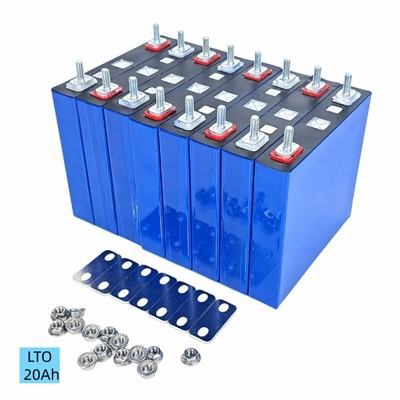
Now, when we’re talking about stacked lithium batteries, we’re essentially connecting multiple lithium battery cells together. There are two main ways to connect these cells: in series and in parallel. And how you connect them has a big impact on the overall voltage of the battery stack.
Let’s start with connecting the cells in series. When you connect lithium battery cells in series, you’re basically lining them up one after the other so that the positive terminal of one cell is connected to the negative terminal of the next cell. This is like a chain reaction. The voltage of each cell adds up.
For example, a typical single lithium – ion cell has a nominal voltage of around 3.7 volts. If you take two of these cells and connect them in series, the overall voltage of the stack is going to be 3.7 + 3.7 = 7.4 volts. If you stack three cells in series, it’ll be 3.7 x 3 = 11.1 volts. And so on. The cool thing about connecting cells in series is that you can easily increase the voltage of your battery pack. This is really useful when you need a higher voltage for a particular application, like an electric tool that needs a bit more oomph to operate.
On the other hand, when you connect lithium battery cells in parallel, things work a bit differently. In a parallel connection, you connect all the positive terminals of the cells together and all the negative terminals together. When you do this, the voltage of the battery stack stays the same as the voltage of a single cell. But the capacity of the battery stack increases.
Let’s say you have two 3.7 – volt lithium – ion cells with a capacity of 2000mAh each. If you connect them in parallel, the voltage of the stack will still be 3.7 volts, but the capacity will be 2000mAh + 2000mAh = 4000mAh. Parallel connections are great when you need more battery capacity without increasing the voltage. For instance, if you’re powering a device that can only handle a certain voltage but needs a longer run – time, a parallel connection is the way to go.
Now, let’s get into some real – world applications. In electric vehicles, you’ll often see a combination of series and parallel connections. Electric cars need a high voltage to power the motor efficiently. So, they’ll have a whole bunch of lithium battery cells connected in series to get the voltage up to several hundred volts. At the same time, they might also connect some of these series – connected stacks in parallel to increase the overall capacity and range of the vehicle.
In small portable devices like laptops, the battery packs are usually made up of several lithium – ion cells connected in series to provide the right voltage for the laptop to operate. For example, a typical laptop might need around 19 volts, so they’ll stack around 5 or 6 lithium – ion cells in series.
But it’s not all sunshine and rainbows when it comes to stacking lithium batteries. There are some things you need to watch out for. One of the biggest issues is cell balancing. When you have a stack of lithium battery cells, it’s important that each cell has the same charge level. If one cell is over – charged or under – charged compared to the others, it can cause problems like reduced battery life, overheating, or even safety hazards.
That’s why many battery management systems (BMS) are used in stacked lithium battery packs. A BMS keeps an eye on each cell in the stack and makes sure they’re all charging and discharging evenly. It can also protect the battery pack from over – charging, over – discharging, and short – circuits.
Another thing to consider is the quality of the individual cells. If you’re using low – quality cells in your stack, it’s going to affect the performance and safety of the whole battery pack. That’s where we come in as a stacked lithium battery supplier. We only source the highest – quality lithium battery cells and use the latest technology to assemble them into reliable and efficient battery stacks.
Whether you need a high – voltage battery stack for an industrial application or a high – capacity battery for a portable device, we’ve got you covered. We can customize the battery stack according to your specific voltage and capacity requirements. We understand that every customer has different needs, and we’re committed to providing the best – fitting solution.
If you’re in the market for stacked lithium batteries, whether it’s for a new project or to replace an existing battery pack, I’d love to have a chat with you. We can discuss your requirements in detail and figure out the perfect battery stack for you. Don’t hesitate to reach out and start a conversation about your procurement needs. We’re here to make sure you get the best possible battery solution at a great price.
Lifepo4 Battery References:
- "Lithium – Ion Batteries: Science and Technologies" by Maximilian Fichtner and K.M. Abraham
- "Battery Management Systems: Design by Modelling" by Massimo Ceraolo and Pierluigi Siano
Dongguan Ritano New Energy Co., Ltd.
With abundant experience, we are one of the most reliable stacked lithium batteries manufacturers and suppliers in China. We warmly welcome you to wholesale customized stacked lithium batteries made in China here from our factory. If you have any enquiry about quotation, please feel free to email us.
Address: Building 27, Jewelry Park, Huanchang North Road, Changping Town, Dongguan City, Guangdong Province
E-mail: Umi.sales@ritano.cn
WebSite: https://www.ritanopower.com/
