In which situations are non – rising stem gate valves preferred?
As a seasoned supplier of gate valves categorized by stem type, I’ve witnessed firsthand the diverse scenarios where non – rising stem gate valves shine. These valves play a crucial role in various industrial applications, and understanding their preferred use cases is essential for both engineers and procurement professionals. Gate Valve By Stem Type
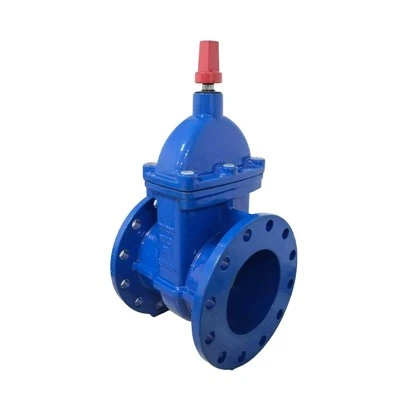
Underground and Tight Space Installations
One of the most prominent situations where non – rising stem gate valves are preferred is in underground piping systems. In these setups, space is often at a premium, and the vertical movement of a rising stem can be a significant hindrance. Non – rising stem gate valves operate by turning the stem to open or close the valve, with the stem remaining at a constant height. This characteristic makes them ideal for installations where there is limited clearance above the valve, such as in buried pipelines, utility tunnels, and basements.
For example, in a city’s water distribution system, a large number of non – rising stem gate valves are installed underground to control the flow of water through the pipes. These valves are located in valve boxes that are typically flush with the ground surface. The non – rising stem design allows for easy operation without the need for additional vertical space, ensuring that the valve can be maintained and adjusted without disturbing the surrounding infrastructure.
Moreover, in industrial facilities with crowded equipment layouts, non – rising stem gate valves are an excellent choice. They can be installed in tight spaces between pumps, compressors, and other machinery, where a rising stem valve would be difficult to accommodate. This compact design helps in optimizing the use of available space and reducing the overall footprint of the piping system.
Environments with Potential Obstructions
Non – rising stem gate valves are also preferred in environments where there is a risk of physical obstructions. In areas where vehicles, machinery, or other large objects may pass over or near the valve, a rising stem can be easily damaged. The non – rising stem design eliminates this risk, as the stem does not extend above the valve body.
Consider a port terminal where there is a high volume of heavy equipment movement. The pipelines used to transfer various liquids, such as fuel or water, are often protected by non – rising stem gate valves. These valves can be installed at ground level or even buried slightly, out of the way of passing vehicles and machinery. This ensures that the valves remain operational and are not damaged by accidental impacts.
Similarly, in mines, where there is a lot of moving equipment and the potential for rock falls or debris, non – rising stem gate valves are the go – to choice. The valves can be installed along the ventilation or water supply pipes, and their non – rising stem design provides protection against physical damage, ensuring the continuous operation of the essential systems in the mine.
Applications Requiring Aesthetics
In some situations, aesthetics play a role in the valve selection process. Non – rising stem gate valves offer a more streamlined and unobtrusive appearance compared to rising stem valves. This makes them suitable for applications where the valve is visible or where a clean look is desired.
In commercial buildings, such as hotels, offices, and hospitals, non – rising stem gate valves are often used in the plumbing systems. These valves can be installed in corridors, utility rooms, or other areas where they are visible to the public or building occupants. The non – rising stem design gives the valves a more professional and tidy look, which is in line with the overall aesthetic requirements of the building.
Furthermore, in architectural projects, such as modern buildings with glass facades or open – concept designs, non – rising stem gate valves can be incorporated into the design to create a seamless and visually appealing appearance. The valves can be painted or finished to match the surrounding environment, enhancing the overall aesthetic of the space.
Operation by Handwheels Alone
Non – rising stem gate valves are well – suited for applications where manual operation is preferred. Since the valve is operated by turning a handwheel, it can be easily controlled without the need for complex actuators or power sources. This makes them ideal for small – scale operations, emergency shut – offs, or situations where power may not be readily available.
In a small manufacturing plant, for instance, non – rising stem gate valves can be used to control the flow of water or other fluids in the production process. The operators can easily turn the handwheel to open or close the valve as needed, without relying on electricity – powered actuators. This not only simplifies the operation but also reduces the cost and maintenance requirements associated with automated valve systems.
In addition, in remote locations or areas prone to power outages, non – rising stem gate valves provide a reliable means of controlling fluid flow. For example, in rural water supply systems or off – grid industrial facilities, these valves can be manually operated to ensure the continuous supply of water or other essential fluids.
Corrosive and Harsh Environments
Non – rising stem gate valves can be designed to withstand corrosive and harsh environments. The valve body and stem can be made from materials such as stainless steel, cast iron with special coatings, or other corrosion – resistant alloys. This makes them suitable for applications in industries such as chemical processing, wastewater treatment, and marine environments.
In a chemical plant, where the pipelines carry various corrosive chemicals, non – rising stem gate valves made of high – quality stainless steel or other corrosion – resistant materials are used to control the flow. The non – rising stem design helps to protect the stem from corrosion, as it is less exposed to the corrosive fluids compared to a rising stem valve.
In wastewater treatment plants, non – rising stem gate valves are used to control the flow of sewage and treated water. These valves are often made of materials that can resist the corrosive effects of the wastewater, ensuring long – term reliability and performance.
In the marine industry, non – rising stem gate valves are installed on ships and offshore platforms to control the flow of seawater, fuel, and other fluids. The valves are designed to withstand the harsh marine environment, including saltwater corrosion and high – pressure conditions.
Conclusion

Non – rising stem gate valves offer a range of advantages that make them the preferred choice in many situations. From underground and tight – space installations to environments with potential obstructions, applications requiring aesthetics, manual operation, and corrosive or harsh environments, these valves provide reliable and efficient fluid control.
Plug Valve If you are in the market for high – quality non – rising stem gate valves or have any questions about their suitability for your specific application, I encourage you to reach out. Our team of experts is ready to assist you in selecting the right valve for your needs and to provide you with the best possible solutions. We are committed to delivering top – notch products and excellent customer service. Contact us today to start a discussion about your valve procurement requirements.
References
- "Valve Handbook", by J. F. Monahan.
- "Industrial Valves: Selection and Sizing", by E. W. Obert.
- Technical bulletins from leading valve manufacturers.
Yantai Valtone Valve Co., Ltd.
As one of the most professional gate valve manufacturers and suppliers in China, we have world-leading production equipment and strong manufacturing capabilities. Please rest assured to buy bulk durable gate valve for sale here from our factory. We also accept customized orders.
Address: No. 13, Wuhan street, Bajiao industry park, Yantai ETDZ, Shandong, China.
E-mail: liujun@valtone-valve.com
WebSite: https://www.valtonevalve.com/
