Hey there, if you’re like most building designers, facility managers, or even just someone curious about how the hidden stuff in buildings affects daily life, you’ve probably spent way more time thinking about materials than you realize. Lately, I’ve been deep in convos with folks who’re building or renovating commercial spaces, and one question keeps popping up: how does tubular truss actually impact indoor air quality (IAQ)? As a tubular truss supplier, I work with these structures every single day, and I’ll be honest—most people don’t connect the two. Let’s break this down like we chat at a trade show, no jargon, no fluff, just real talk. Tubular Truss
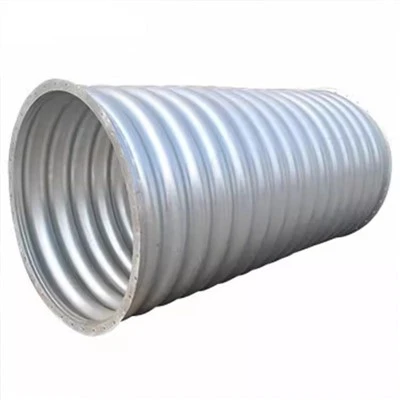
First, let’s get on the same page: what’s a tubular truss, anyway? If you’re not in construction, it’s basically those hollow, tube-shaped metal frames that hold up ceilings, support mezzanines, or add open architectural flair to big spaces—think grocery stores, warehouses, office atriums, even performance venues. They’re lightweight, super strong, and way easier to install than solid beams, which is why they’ve blown up in the last 10 years. But here’s the thing: while everyone obsesses over their structural load capacity or aesthetic cool factor, IAQ rarely comes up. That’s where I step in.
Let’s start with the big one: off-gassing. I’ve been in this game long enough to know that any new building material can leach chemicals as it cures, and tubular trusses are no exception—wait, but why more than other materials? First, not all tubular trusses are made equal. A lot of cheaper ones out there are welded with low-grade steel, then coated with basic paint or powder coating to prevent rust. Those coatings? They can off-gas volatile organic compounds (VOCs) for weeks, sometimes even months after installation. VOCs are the same stuff that makes new carpet smell weird, and long-term exposure is linked to headaches, dizziness, and even irritated lungs—bad news if your office staff or warehouse workers are breathing that air 8 hours a day.
But here’s the part most suppliers won’t tell you: not all tubular truss setups are high-risk. The trusses themselves are hollow, right? That’s a design point that can work for good or bad IAQ, depending on how you use them. If you seal the ends of hollow tubes and leave them closed up? They can trap moisture inside. Moisture + dark, warm hollow space = perfect mold breeding ground. I’ve seen this go wrong: a client built a warehouse with tubular trusses, sealed the ends to look clean, and within six months, there was hidden mold inside the tubes that was seeping out through tiny gaps in the coating. We fixed it by cutting small vents in the ends and switching to mold-resistant coatings, but that’s a mistake a lot of first-timers make.
Now, let’s talk about how tubular truss interacts with other building systems. HVAC is the backbone of IAQ, right? If your trusses are thick and they line the ceiling or run along walls, they can affect air flow. Wait, how? Think of it like this: if you have big solid beams crisscrossing a space, they force air to take sharp turns, which can create dead zones—spots where stale air gets stuck, no circulation, no exchange with fresh outdoor air. Tubular trusses, though, are thinner, spaced more evenly (usually, when installed right), so air flows smoother. But here’s the catch: if you don’t account for them when designing your HVAC vents, those thin tubes can accidentally block vents or disrupt air pressure. I once worked with a retail client who didn’t consider the truss layout when placing their ceiling vents. Half the store had great airflow, but the corner where the trusses stacked up had zero air exchange. Within a month, customers were complaining about stuffy air, and we traced it right back to that truss-related air gap. We helped them adjust vent positions to fit around the trusses, and the IAQ issues vanished.
Another angle: durability and long-term IAQ. Tubular trusses are supposed to last, but if they’re exposed to too much humidity, they can corrode. Corroded metal doesn’t just weaken the structure—it can release metal particles into the air. For warehouses that store food or pharmaceuticals, that’s a big no-no. Even in office spaces, tiny metal dust from corroded trusses can irritate sensitive workers, or mix with other VOCs to make a worse air mix. The good news? When you choose the right tubular truss—like galvanized steel or powder-coated options that resist corrosion—this becomes a non-issue. I’ve supplied trusses with a special epoxy coating that not only prevents rust but also meets strict low-VOC standards, and clients tell me their IAQ tests come back clear 6 months after installation.
Wait, let’s get real about testing. A lot of building owners skip testing IAQ post-install, but with tubular trusses, it’s worth it. I had a client a couple years back who ordered super cheap uncoated tubular trusses for a startup office. They moved in right after installation, and within a week, three employees were out sick with respiratory issues. We did IAQ tests and found VOC levels 3x the recommended limit, all coming from the raw steel trusses and their cheap weld coatings. We helped them replace those trusses with our low-VOC, powder-coated ones, and within a month, the VOC levels were back to normal. That’s when I realized: IAQ with tubular trusses isn’t just a “nice to have”—it’s a must, especially for spaces where people spend long hours.
Now, let’s talk about the myths out there. Some people think because tubular trusses are hollow, they’re better for IAQ because they don’t trap anything. Nope—like I said, sealed hollow spaces trap moisture. Others think all metal materials are bad for IAQ. Wrong—if you choose the right coating and design, they’re actually better than heavy wood beams, which can off-gas formaldehyde from lumber treatments, or solid concrete, which can trap moisture and mold too. Tubular trusses are more flexible, so you can design them to work with your HVAC system, not against it.
So, what can you do to make sure your tubular truss setup doesn’t hurt IAQ? First, ask suppliers (that’s us, for example) for low-VOC coatings. Second, make sure the truss design includes vents in the hollow ends to prevent moisture buildup. Third, involve your HVAC designer early—don’t just drop trusses into the space after vents are already placed. Fourth, do a post-install IAQ test, not just a structural check. Most suppliers only focus on load or cost, but we focus on both structural integrity and IAQ because that’s what our clients actually need.
At the end of the day, tubular trusses are here to stay—they’re cost-effective, look modern, and make construction faster. But their impact on IAQ is something no one should overlook. Whether you’re building a new warehouse, renovating an office, or designing a retail space, the trusses you choose matter more than you think. If you’re not sure how your current truss setup is affecting IAQ, or if you’re looking for tubular trusses that balance strength, design, and clean air, hit us up to connect for a chat. We don’t just sell trusses—we help you build spaces that are safe for the people who use them, too.
Steel Structure Warehouse References:
- World Health Organization. (2021). Indoor Air Quality Guidelines: Global Update.
- American Society of Heating, Refrigerating and Air-Conditioning Engineers (ASHRAE). (2022). Standard 62.1: Ventilation for Acceptable Indoor Air Quality.
- Environmental Protection Agency (EPA). (2020). Volatile Organic Compounds (VOCs) in Indoor Air.
- National Institute for Occupational Safety and Health (NIOSH). (2021). Metal Particles and Respiratory Health in Commercial Workspaces.
Suzhou Wanyu Steel Structure Construction and Installation Engineering Co., Ltd.
With abundant experience, we are one of the most professional tubular truss manufacturers and suppliers in China. We warmly welcome you to buy customized tubular truss at competitive price from our factory. If you have any enquiry about pricelist, please feel free to email us.
Address: No. 78, Putian Road, Suzhou Industrial Park, Suzhou, Jiangsu Province
E-mail: Zhu@szwanyu.com
WebSite: https://www.wy-metalstructure.com/
